

Boise Garage Door Insulation Guide
Understand Boise garage door insulation choices, comfort tradeoffs, opener fit, and when insulation belongs in replacement planning.
Dispatch reviews location, access, timing, and service details before appointment information is confirmed.
Quick decision support
Read the direct answer first, compare the symptoms or planning notes, then use the service and local links when you need D&L to review the next step.
- 6 min with answer-first sections
- Regional context for Idaho readers
- Safety boundaries before repair or installation decisions
- Crawlable links to related D&L services and resources
(208) 650-4304
ID RCE# 42914
This guide is maintained by the D&L Garage Doors team to explain common symptoms, service planning, safety boundaries, and when to request technician support in the Idaho area.
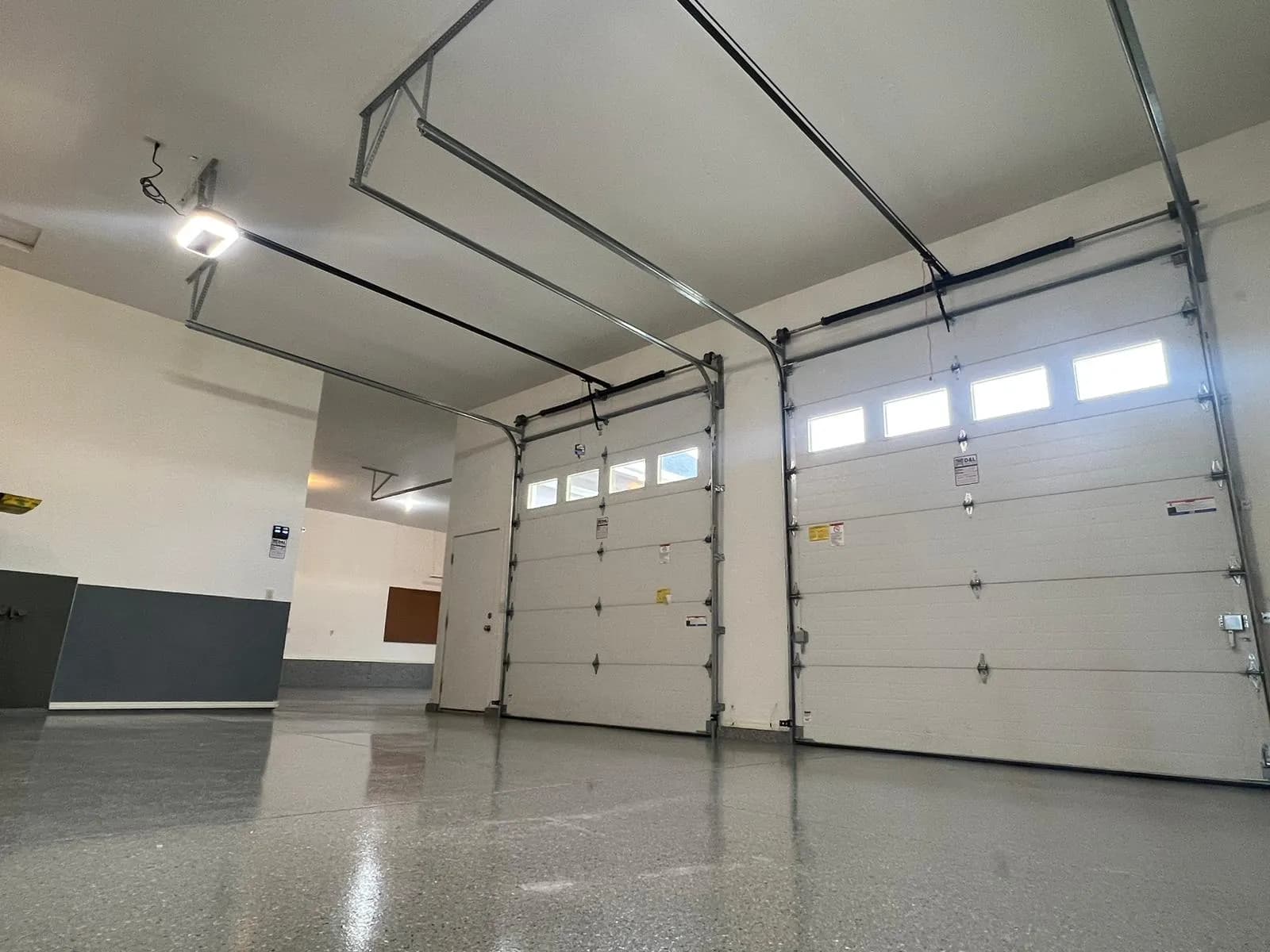
Garage door insulation in Boise should be planned around how the garage is used, whether it is attached, the condition of the existing door, opener compatibility, and comfort goals. Insulation can help, but it should not be treated as a cure for every temperature or energy issue.
This article is rewritten from owned Boise legacy topics about insulation, energy efficiency, and residential door selection. It avoids unsupported savings claims and focuses on decision factors.
Quick answer
Insulation is worth discussing when the garage is attached, used as a workspace, has rooms nearby, stores temperature-sensitive items, or feels uncomfortable during seasonal changes. The right approach depends on door condition, weight, seals, opener setup, and whether replacement makes more sense than modifying an old door.
What to check first
- Think about how the garage is used: parking, storage, laundry, workshop, gym, or entry.
- Check whether the existing door is damaged, thin, noisy, or poorly sealed.
- Ask whether added weight affects the spring and opener setup.
- Look at bottom and side seals, not only the door sections.
- Avoid unsupported claims that insulation alone will solve all comfort issues.
Insulation is part of the whole garage
A garage door is a large opening, so insulation can matter. But comfort is also affected by walls, ceilings, floors, gaps, windows, weather seals, and how often the door opens. That is why a useful insulation conversation should be practical rather than exaggerated.
If the garage is attached to living space, used for hobbies, or stores items affected by temperature, insulation may be part of the planning conversation. If the door is already damaged or unreliable, replacement may be a better topic than adding material to an old setup.
Do not ignore weight and opener fit
Adding insulation or choosing a heavier insulated door can change how the door system behaves. Springs, opener strength, track condition, and hardware all need to fit the door. A comfort upgrade should not create a balance or opener problem.
Before approving insulation-related work, ask how the door weight and opener setup are being considered. A door that is quiet and comfortable still needs to move safely and reliably.
Seals can matter as much as panels
A well-insulated door can still feel drafty if the bottom seal, side seals, or trim conditions are poor. Gaps at the floor or sides allow air, dust, and moisture to enter. In some cases, floor level or trim conditions affect how well the door can seal.
A D&L technician can look at the existing door, seals, opener, and installation conditions together. That helps decide whether the best next step is seal work, insulation discussion, or replacement planning.
When to stop using the door
Some garage door problems are inconvenient, and some are safety concerns. Stop using the door and request help when any of these signs are present:
- The door is heavy, crooked, or difficult to lift.
- The opener strains after insulation or door changes.
- Seals are torn and the door is rubbing or reversing.
- The existing door is damaged or unsafe.
If a door feels unusually heavy, looks crooked, pulls to one side, or makes a new sharp sound, the safest next step is to stop forcing it. A garage door can look simple from the driveway, but springs, cables, rollers, tracks, and opener arms all work together under load. A small symptom can become a larger repair when the door is repeatedly cycled while something is already out of alignment.
What to tell D&L before scheduling
Clear details help dispatch understand the request and help the technician prepare for the visit. Before you call or use the estimator, write down:
- How you use the garage and what comfort problem you are trying to solve.
- Whether the door is attached to living space.
- Door material, age, and visible condition if known.
- Opener behavior and any prior balance issues.
Photos can also help when they show the full door, the opener, the inside tracks, and any damaged part from a safe distance. Do not loosen springs, remove bottom fixtures, pull cables by hand, or put tools into the track while the door is under tension.
Related D&L resources
- Boise garage door service page - local contact and service context for Boise and Treasure Valley requests
- garage door insulation service details - insulation service context and planning details
- garage door installation service details - new-door planning and installation context
- garage door pricing context - approved planning language and factors that can change a quote
- D&L garage door FAQs - answers to common service, pricing, and scheduling questions
- online garage door estimator - a structured way to organize project details before scheduling
These links keep the next step specific. Use the city page for local contact context, the service pages for issue-specific guidance, the pricing page for approved planning language, and the estimator when you want to organize details before speaking with dispatch.
Local decision notes for insulation planning
For Boise homes, insulation planning should begin with how the garage feels and how it is used. If the garage connects to living space, is used as a workshop, or stores sensitive items, comfort may matter more. If the garage is detached and rarely used, other improvements may be more important.
Ask whether the existing door is a good candidate for insulation-related work. A damaged, poorly balanced, or noisy door may need repair or replacement planning first. Comfort upgrades should not hide a door system that already needs mechanical attention.
A useful next step before service
Use this guide to describe the issue clearly before requesting service, not to diagnose every part from home. The best next step is to match the symptom to the closest D&L service page, share photos from a safe distance when helpful, and let the technician confirm the actual condition of the door system before approved work begins.
Bottom line
Insulation can be helpful when it is matched to the door, garage, and opener setup. Use the insulation, installation, and Boise pages to compare options safely.
Serving Idaho
Garage door service information for Treasure Valley, Meridian, Nampa and nearby communities
Local service information
Local factors to consider
Topics covered
Frequently asked questions
Is garage door insulation worth it for Boise homes?
It can be worth discussing for attached garages, workspaces, storage needs, and comfort goals, but it depends on door condition and the whole garage setup.
Can insulation make a garage door too heavy?
Added weight can affect spring balance and opener performance. Door weight and hardware should be evaluated before insulation-related work.
Does insulation replace weather seals?
No. Panels and seals solve different problems. Bottom seals, side seals, trim, and floor conditions should be checked too.
Need help with a garage door issue?
Schedule your garage door service request
Regional credential reference • Safety-first service planning
ID RCE# 42914 • Serving Idaho and surrounding areas
Related garage door guides
Continue with source-safe D&L guides that help readers compare issues, plan service, and choose a practical next step.


Need help choosing the right garage door service step?
Use the estimator for planning or contact D&L so dispatch can review location, issue, timing, access, and appointment details before approved work begins.