
1
The remote or keypad does not respond
The cause may involve batteries, programming, signal, lock mode, wall controls, wiring, or the opener receiver.
Controls, sensors, motors, and replacement planning
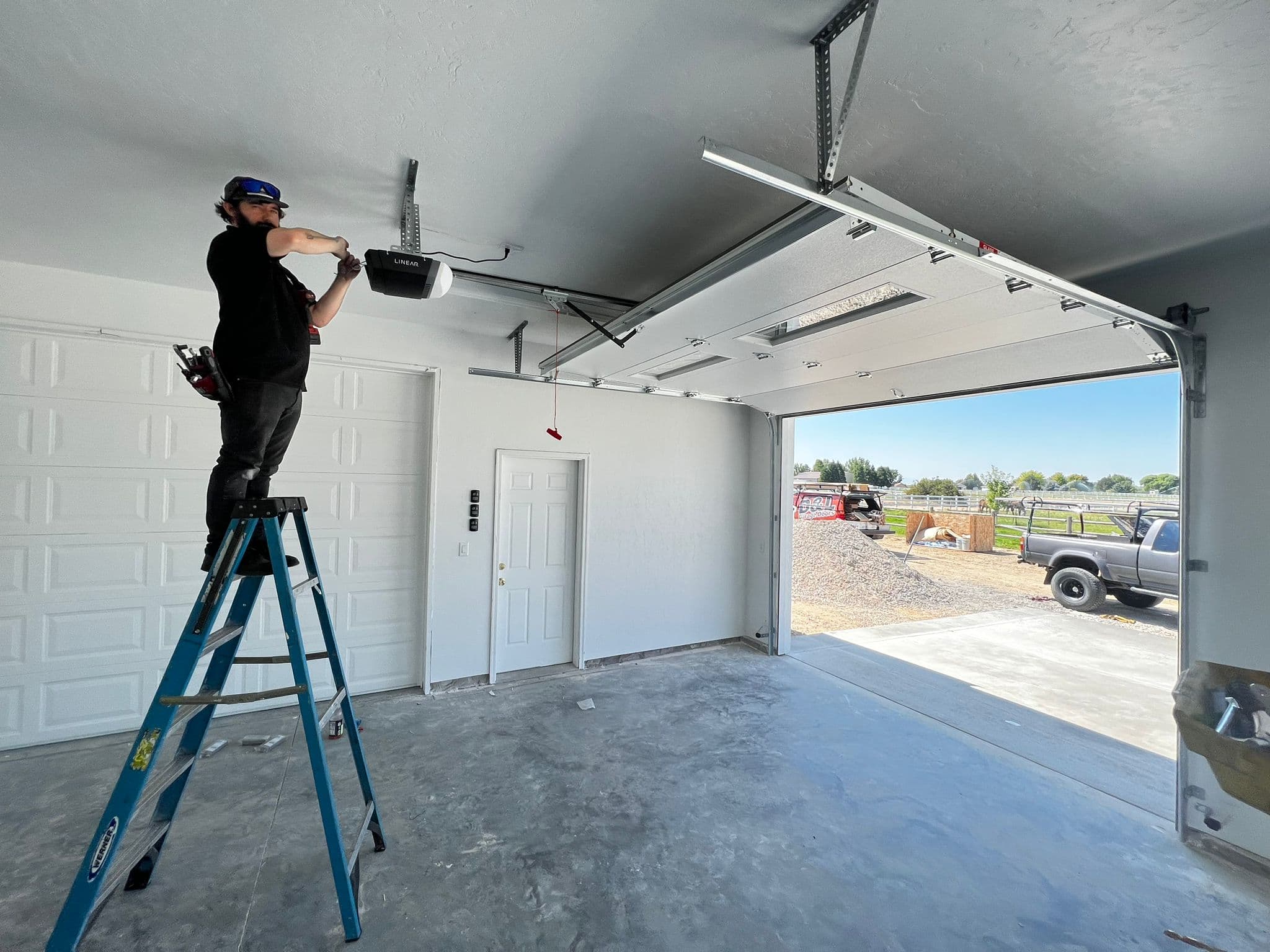
An opener problem can begin in the controls, sensors, wiring, rail, trolley, motor, or the door itself. D&L checks whether the door moves correctly before deciding whether the opener should be adjusted, repaired, or replaced, then reviews compatible options and pricing before approved work begins.
Start with the behavior
Simple observations help narrow the problem without opening the motor housing or bypassing safety controls.
The cause may involve batteries, programming, signal, lock mode, wall controls, wiring, or the opener receiver.
Photo-eye alignment, wiring, obstructions, travel settings, door resistance, and safety controls all need consideration.
A disconnected trolley, drive failure, stripped component, broken spring, or binding door can produce the same basic symptom.
Drive wear, rail condition, door balance, hardware drag, motor condition, or setup may be increasing the workload.
Opener diagnosis
An opener can only work correctly when the door, springs, tracks, rollers, and related hardware move within the expected load.
Binding, spring problems, track issues, and excess door weight are separated from opener faults.
Photo-eyes, wiring, alignment, obstructions, travel, and reversal behavior are checked without bypassing safeguards.
The trolley, carriage, chain, belt, screw, rail, and mounting are reviewed according to the opener design.
Wall controls, remotes, keypads, accessories, model information, power, and available compatible parts are considered.
Age alone does not decide the answer. The failure, parts support, door fit, desired controls, and total approved cost matter more.
Useful when the opener and door are serviceable and the problem is limited to setup, controls, travel, or compatible accessories.
Practical when the failed component can be identified, the correct part is available, and the rest of the system remains a good fit.
Worth comparing when parts are unavailable, failures are broad, the opener does not fit the door, or desired safety and control features require a different system.
The repair decision comes after the door load, safety controls, and opener fault are separated.
Share which controls work, what the lights or sounds do, and whether the door moves by hand only when it is safe to observe.
The technician reviews door movement, balance, sensors, controls, rail, drive, motor behavior, and model information.
Compatible repair parts, replacement models, accessories, project scope, and pricing are explained.
After approved work, controls, travel, limits, applicable safety features, and normal door movement are checked.
Pricing clarity
A sensor correction and a full opener installation are different projects. These approved figures help frame the decision after the door and opener are inspected.
For an on-site diagnosis, inspection, and reviewed repair options before repair work begins.
Starts at $89
For opener diagnosis and common repair options when the existing opener is repairable.
Starting at $179
For standard opener replacement or installation options after door size and setup are confirmed.
$699-$1,299 typical planning range
How the diagnostic fee works
An $89 diagnostic fee applies to most service visits and is additional to parts, labor, and tax. If D&L completes the approved repair or installation during the same visit, the fee is credited toward that work. After-hours or urgent-service surcharges may apply.
Planning-range note
Typical planning range only. Final pricing may vary depending on on-site conditions, exact hardware requirements, material costs, labor needs, taxes, or unforeseen complications discovered during inspection. Our technicians will conduct an on-site assessment to provide a precise, tailored quote before any work begins.
Choosing an opener
Drive style, mounting position, door requirements, controls, connectivity, backup features, accessory compatibility, and written terms should be compared together.
Warranties vary by parts and service. Most parts and labor include a manufacturer's warranty plus our workmanship warranty. Exact coverage, duration, and any exclusions will be provided in writing on your invoice.
Chain, belt, screw, direct, and wall-mount designs have different fit, clearance, noise, and maintenance considerations.
Wall stations, remotes, keypads, smart controls, and accessory support vary by model and existing wiring.
Door height, weight, track arrangement, headroom, balance, rail length, and mounting conditions affect the suitable system.
Before you schedule
You can share these details without removing covers, climbing, or changing safety settings.
Questions customers ask
These answers address common garage door opener service decisions before service. The actual scope is confirmed after the system is reviewed.
Photo-eye alignment, an obstruction, damaged wiring, travel settings, door resistance, or another safety-control issue may be involved. Do not bypass the sensors. Check that the opening is clear, then arrange service if the problem continues.
Often, yes, when the failed part can be identified, a compatible part is available, and the opener still fits the door and required controls. Replacement becomes more practical when support is limited, failures are broad, or the system no longer fits the project.
A broken spring, poor balance, track issue, or binding hardware can make a working opener appear weak. Because manual testing is not safe for every door condition, a technician checks door movement and counterbalance before concluding that the opener has failed.
Compatibility depends on the opener model, communication system, accessory age, and available supported controls. D&L confirms compatible remotes, keypads, wall controls, and smart accessories for the selected system.
Approved pricing starts at $179 for opener repair. Standard opener replacement or installation has a typical planning range of $699-$1,299 after the door, rail, model, controls, and installation conditions are confirmed. Taxes, accessories, electrical work, specialty systems, and on-site conditions can change the final quote.
Warranties vary by parts and service. Most parts and labor include a manufacturer's warranty plus our workmanship warranty. Exact coverage, duration, and any exclusions will be provided in writing on your invoice.
Use a narrower page when it better matches the garage door opener service system, failed part, or project.
Check the door and hardware path when the opener may be reacting to resistance or poor balance.
Read the detailsReview connected control considerations and compatibility questions.
Read the detailsCompare a side-mounted system when the opening and shaft arrangement are compatible.
Read the detailsCoordinate opener planning with a new or replacement door project.
Read the detailsRead practical garage door opener service background before you decide what to ask or schedule.
Review safe access and opener considerations when power is unavailable.
Read the detailsUnderstand the safety sensors near the floor and why they should not be bypassed.
Read the detailsCompare connected controls with the core job of moving a balanced door.
Read the detailsUse a regional page for the confirmed local phone, scheduling route, office context, and garage door opener service service-area information.
Choose the correct regional phone, scheduling path, and local page for garage door opener service.
Read the detailsView D&L garage door opener service, office, pricing, and scheduling information for the Boise area.
Read the detailsView D&L garage door opener service, office, pricing, and scheduling information for Portland Metro.
Read the detailsTell D&L which controls work and what the door does. The team can help route repair, replacement, or installation planning to the right starting point.

The company behind this page
We help homeowners, property managers and businesses plan garage door repairs, replacements and maintenance. Our service guides explain common symptoms, the inspection process and what to discuss with your local team.
Choose your local team
Share the service address, symptoms and equipment details. The team can review the next step and appointment options before you book.
(888) 641-5060Schedule service info@dlgaragedoors.comFor a correction or content question, email us with the page link. Online guidance does not replace an on-site inspection.
The showroom is at the back of the building near 67th Avenue and SE Foster Road. Enter the parking lot from 67th Avenue. Call ahead to confirm visit arrangements.
The showroom is near 38th Avenue and W Chinden Boulevard. Parking-lot access is from 38th Avenue. Call ahead to confirm visit arrangements.