

Boise Summer Garage Door Maintenance Guide
Prepare your Boise garage door for summer use with safe checks for opener strain, seals, sensors, rollers, and seasonal wear.
Dispatch reviews location, access, timing, and service details before appointment information is confirmed.

Quick decision support
Read the direct answer first, compare the symptoms or planning notes, then use the service and local links when you need D&L to review the next step.
- 6 min with answer-first sections
- Regional context for Idaho readers
- Safety boundaries before repair or installation decisions
- Crawlable links to related D&L services and resources
(208) 650-4304
ID RCE# 42914
This guide is maintained by the D&L Garage Doors team to explain common symptoms, service planning, safety boundaries, and when to request technician support in the Idaho area.
Boise summer garage door maintenance should focus on smooth movement, sensor reliability, seal condition, opener strain, and visible hardware wear. Heat and daily use can make small problems more noticeable, so watch the door before it becomes stuck or unsafe.
This article is rewritten from owned Boise legacy posts about summer preparation and seasonal maintenance. It avoids seasonal promotion and focuses on useful homeowner checks.
Quick answer
Summer maintenance is not about taking the door apart. It is about observing movement, clearing the work area, checking sensors, listening for new sounds, and scheduling service when the door gets heavy, noisy, crooked, or unreliable.
What to check first
- Watch one full cycle and listen for scraping, squeaking, rattling, or opener strain.
- Keep sensors and the floor area clear of bikes, storage, toys, and yard tools.
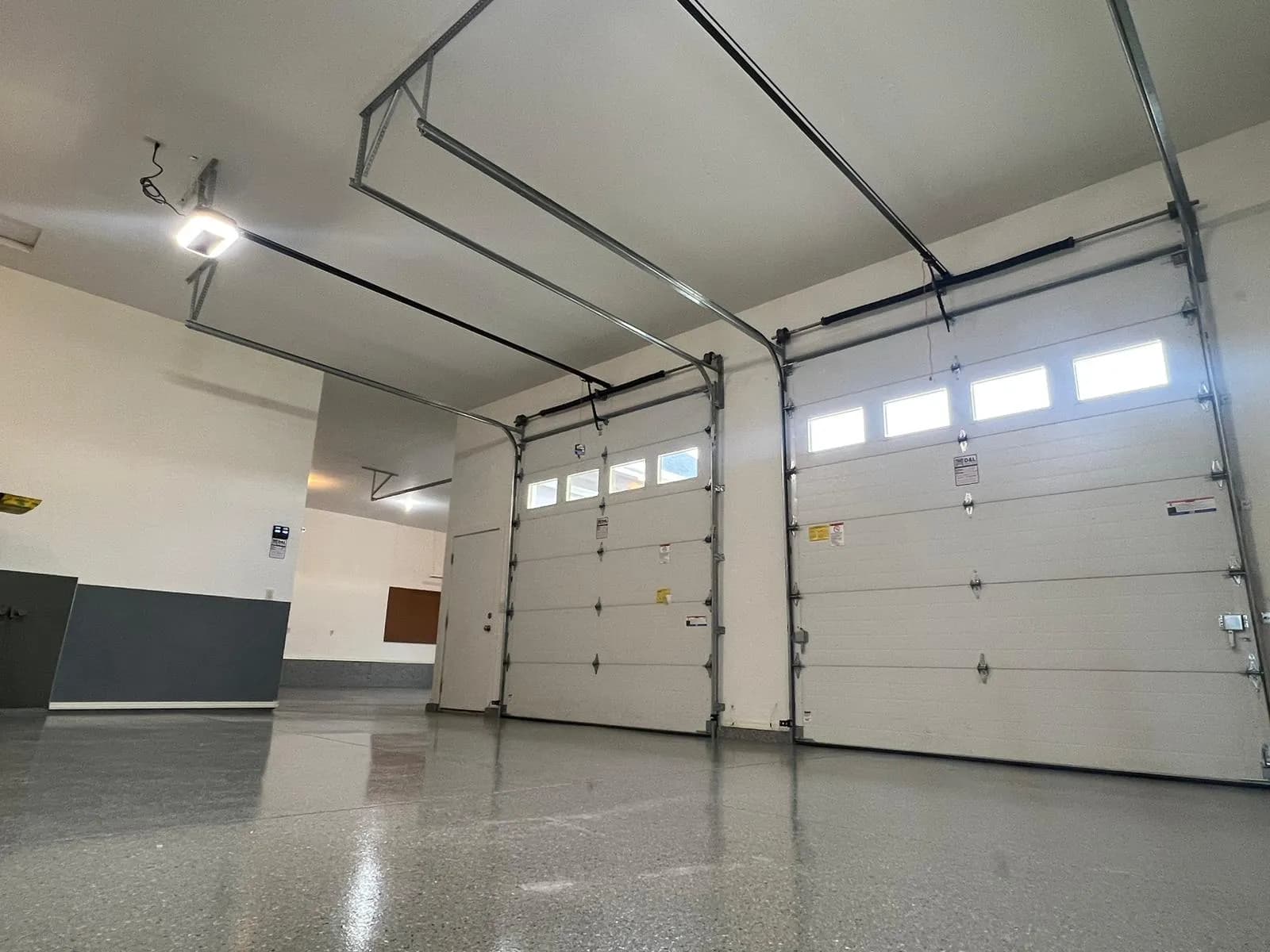
- Look for cracked rollers, loose hinges, damaged seals, or track debris.
- Pay attention if the door changes behavior after hot afternoons.
- Do not adjust springs, cables, drums, or bottom fixtures yourself.
Why summer use can reveal wear
Summer often means more garage traffic: bikes, yard tools, weekend projects, children going in and out, and more frequent opener use. More cycles can make worn rollers, hinges, sensors, and opener strain easier to notice.
Heat can also change how seals and moving parts feel. A door that is already close to needing service may start sounding louder or moving less smoothly during heavy use. That is a good time to schedule a tune-up before the door fails.
Keep the garage path clear
Many summer problems start with clutter. A rake, box, bike tire, extension cord, or storage bin can block sensors, get near a track, or interfere with the door path. Clear space is part of maintenance, especially if children or pets use the garage area.
If a technician is scheduled, clearing the work area also protects your belongings. Remove valuables from the active work zone and keep people away while the door is being inspected or serviced.
What a summer tune-up should look at
A service visit can check rollers, hinges, cables, springs, tracks, weather seals, opener travel, sensor alignment, and safety reversal. Those checks help separate a simple maintenance need from a repair issue.
If you have been thinking about a new opener, insulation, or a replacement door, mention that during the visit. The technician can help connect the current condition of the door to the planning conversation.
When to stop using the door
Some garage door problems are inconvenient, and some are safety concerns. Stop using the door and request help when any of these signs are present:
- The door gets stuck open or closed.
- A cable, spring, roller, or hinge appears loose or damaged.
- The opener strains, hums, or reverses repeatedly.
- The door is hit by a vehicle, bike, tool, or stored item.
If a door feels unusually heavy, looks crooked, pulls to one side, or makes a new sharp sound, the safest next step is to stop forcing it. A garage door can look simple from the driveway, but springs, cables, rollers, tracks, and opener arms all work together under load. A small symptom can become a larger repair when the door is repeatedly cycled while something is already out of alignment.
What to tell D&L before scheduling
Clear details help dispatch understand the request and help the technician prepare for the visit. Before you call or use the estimator, write down:
- Whether the concern is noise, opener behavior, sensors, seals, or heavy movement.
- How often the door is used during summer.
- Whether storage or an impact may have affected the door path.
- Photos of the inside door, opener, tracks, and visible damage.
Photos can also help when they show the full door, the opener, the inside tracks, and any damaged part from a safe distance. Do not loosen springs, remove bottom fixtures, pull cables by hand, or put tools into the track while the door is under tension.
Related D&L resources
- Boise garage door service page - local contact and service context for Boise and Treasure Valley requests
- garage door repair service details - repair symptoms, safety boundaries, and next-step guidance
- garage door spring replacement guidance - spring and balance issues that should not be handled as DIY repair
- opener repair and installation help - remote, keypad, sensor, motor, and smart opener support
- garage door pricing context - approved planning language and factors that can change a quote
- online garage door estimator - a structured way to organize project details before scheduling
These links keep the next step specific. Use the city page for local contact context, the service pages for issue-specific guidance, the pricing page for approved planning language, and the estimator when you want to organize details before speaking with dispatch.
Local decision notes for summer usage
For Boise homes, summer garage door wear often follows lifestyle. Yard tools move in and out, bicycles block sensors, children use the garage more often, and the door may cycle more during the day. That means maintenance should include the environment around the door, not only the door itself.
If summer use has changed, say so during scheduling. A door used twice a day has different wear patterns than a door used repeatedly for storage, work, and family access. D&L can use that context when checking rollers, hinges, opener travel, sensor alignment, and safety reversal. A final practical check is to compare today’s door behavior with how it moved earlier in the season; changes in sound, speed, and reversal behavior are useful service clues.
A useful next step before service
Use this guide to describe the issue clearly before requesting service, not to diagnose every part from home. The best next step is to match the symptom to the closest D&L service page, share photos from a safe distance when helpful, and let the technician confirm the actual condition of the door system before approved work begins.
Bottom line
Summer maintenance is practical: observe, clear, listen, and schedule service before small wear becomes a stuck-door problem. Use the Boise page or maintenance service page for next steps.
Serving Idaho
Garage door service information for Treasure Valley, Meridian, Nampa and nearby communities
Local service information
Local factors to consider
Topics covered
Frequently asked questions
What garage door maintenance helps before Boise summer?
Check movement, sounds, sensors, seals, tracks, and visible hardware. Clear the garage path and schedule service when the door changes behavior.
Can hot weather affect garage door performance?
Heat and heavy use can make existing wear more noticeable. Seals, rollers, sensors, and opener strain are common areas to watch.
What should I clear before a garage door service visit?
Move vehicles, bikes, boxes, shelves, valuables, and tools away from the door opening, tracks, springs, and opener area.
Need help with a garage door issue?
Schedule your garage door service request
Regional credential reference • Safety-first service planning
ID RCE# 42914 • Serving Idaho and surrounding areas
Related garage door guides
Continue with source-safe D&L guides that help readers compare issues, plan service, and choose a practical next step.


Need help choosing the right garage door service step?
Use the estimator for planning or contact D&L so dispatch can review location, issue, timing, access, and appointment details before approved work begins.