

How Idaho Temperatures Affect Garage Door Springs
Learn how Idaho temperature changes can expose garage door spring and balance issues, what warning signs matter, and when to call D&L.
Dispatch reviews location, access, timing, and service details before appointment information is confirmed.
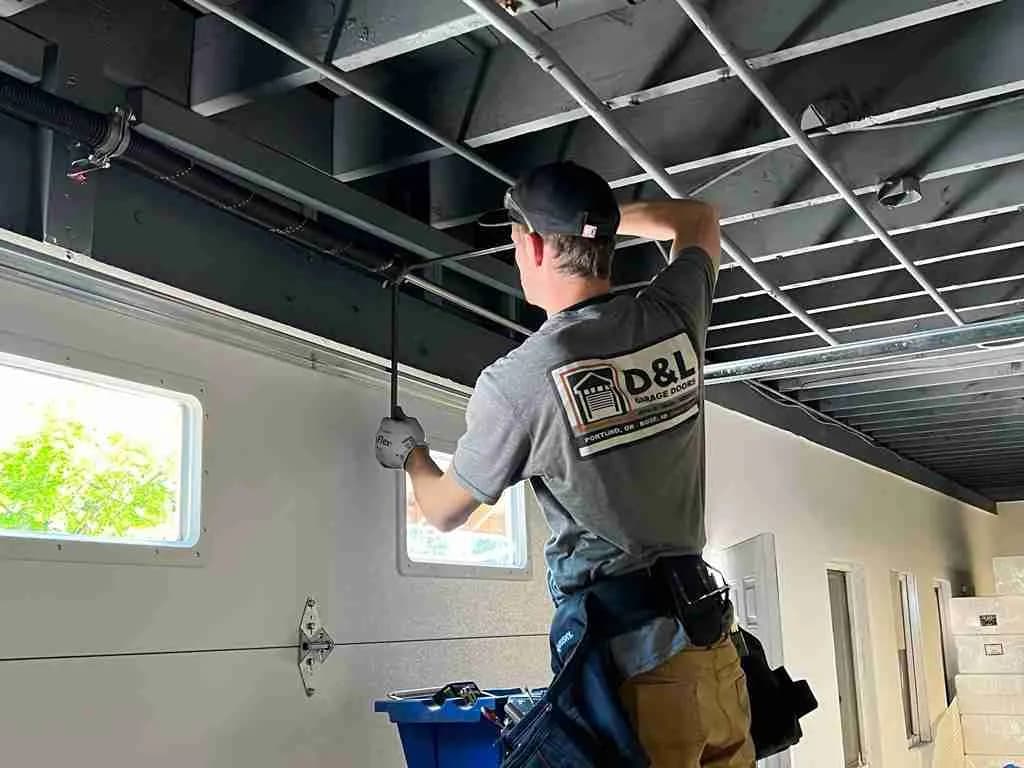
Quick decision support
Read the direct answer first, compare the symptoms or planning notes, then use the service and local links when you need D&L to review the next step.
- 6 min with answer-first sections
- Regional context for Idaho readers
- Safety boundaries before repair or installation decisions
- Crawlable links to related D&L services and resources
(208) 650-4304
ID RCE# 42914
This guide is maintained by the D&L Garage Doors team to explain common symptoms, service planning, safety boundaries, and when to request technician support in the Idaho area.
Idaho temperature changes can make garage door spring and balance problems easier to notice. If the door suddenly feels heavy, moves unevenly, or the opener struggles, stop using the door and schedule an inspection before cycling it again.
This expands an existing unpublished D&L draft using owned Boise legacy spring and seasonal-maintenance topics. It is rewritten as safety-first education with no DIY spring-repair instructions.
Quick answer
Springs support the weight of the door. Temperature swings, age, cycle count, corrosion, and maintenance history can all affect how the door feels. A spring problem may look like an opener problem because the opener is the part making noise, but the real issue can be door balance.
What to check first
- Look for a visible gap in a torsion spring above the door.
- Watch whether one side of the door moves faster or lower than the other.
- Notice whether the opener strains or stops early.
- Do not loosen, wind, or adjust springs or cables yourself.
- Keep people away from the door if it is heavy, crooked, or stuck.
Why temperature changes matter to the whole system
The Treasure Valley can move through noticeable seasonal changes, and garage doors respond to those changes as a system. Metal parts expand and contract, lubricants can behave differently, seals can stiffen, and old wear can become easier to hear or feel. The spring system is central because it helps balance the door.
A door that worked yesterday can still fail today when a worn part reaches its limit. That does not mean the weather is the only cause. It means the door is asking for a full inspection, not another forced opener cycle.
Spring symptoms homeowners should not ignore
The biggest warning signs are a loud pop, a visible spring gap, a door that suddenly feels heavy, a door that rises only a few inches, or a loose cable near the drum. If any of those signs appear, the door should not be treated as a normal opener problem.
A heavy door can damage the opener if you keep pressing the button. The opener is not designed to replace spring balance. When the spring system is compromised, the door may not be safe to lift manually either.
What a technician should check
A spring-related visit should look beyond the spring. The technician may check cables, drums, rollers, hinges, tracks, opener attachment, door weight, balance, and travel. That full-system approach helps identify whether the spring issue stands alone or is connected to another worn part.
Before approved work begins, the findings and quote details should be explained. If additional parts or site conditions affect the repair, they should be discussed clearly before moving forward.
When to stop using the door
Some garage door problems are inconvenient, and some are safety concerns. Stop using the door and request help when any of these signs are present:
- You heard a loud pop and the door stopped working.
- The door is heavy, crooked, or will not stay open.
- A spring gap or loose cable is visible.
- The opener lifts only a few inches or strains loudly.
If a door feels unusually heavy, looks crooked, pulls to one side, or makes a new sharp sound, the safest next step is to stop forcing it. A garage door can look simple from the driveway, but springs, cables, rollers, tracks, and opener arms all work together under load. A small symptom can become a larger repair when the door is repeatedly cycled while something is already out of alignment.
What to tell D&L before scheduling
Clear details help dispatch understand the request and help the technician prepare for the visit. Before you call or use the estimator, write down:
- Door size and whether it is a single or double door.
- Whether the spring is above the door or on the sides.
- What happened immediately before the problem appeared.
- Whether the door is stuck open, stuck closed, or partially open.
Photos can also help when they show the full door, the opener, the inside tracks, and any damaged part from a safe distance. Do not loosen springs, remove bottom fixtures, pull cables by hand, or put tools into the track while the door is under tension.
Related D&L resources
- Boise garage door service page - local contact and service context for Boise and Treasure Valley requests
- garage door repair service details - repair symptoms, safety boundaries, and next-step guidance
- garage door spring replacement guidance - spring and balance issues that should not be handled as DIY repair
- opener repair and installation help - remote, keypad, sensor, motor, and smart opener support
- garage door pricing context - approved planning language and factors that can change a quote
- online garage door estimator - a structured way to organize project details before scheduling
These links keep the next step specific. Use the city page for local contact context, the service pages for issue-specific guidance, the pricing page for approved planning language, and the estimator when you want to organize details before speaking with dispatch.
Local decision notes for spring concerns
For Idaho homeowners, the most useful decision is when to stop using the opener. If spring trouble is suspected, repeated opener attempts can create more damage. A door that rises a few inches, drops, feels heavy, or looks uneven should be treated as a safety concern, not a stubborn opener.
A second decision is whether replacement planning should include other worn parts. Springs work with cables, rollers, drums, hinges, and tracks. If one part failed because the door has been under strain, the technician may need to explain more than one finding. Ask for the full system explanation before approving work.
Bottom line
Temperature changes can expose spring wear, but the safety issue is door balance. If spring trouble is possible, stop using the door and use the spring replacement page or Boise location page for next steps.
Serving Idaho
Garage door service information for Treasure Valley, Meridian, Nampa and nearby communities
Local service information
Local factors to consider
Topics covered
Frequently asked questions
Can Idaho temperature swings affect garage door springs?
Temperature changes can make spring and balance problems more noticeable, but age, use, corrosion, and hardware condition also matter.
What are signs of a broken garage door spring?
Warning signs include a loud pop, visible spring gap, heavy door, loose cable, crooked movement, or an opener that strains without lifting.
Can I open a garage door with a broken spring?
Do not force a door with a suspected broken spring. It may be heavy or unstable, and opener use can create additional damage.
Need help with a garage door issue?
Schedule your garage door service request
Regional credential reference • Safety-first service planning
ID RCE# 42914 • Serving Idaho and surrounding areas
Related garage door guides
Continue with source-safe D&L guides that help readers compare issues, plan service, and choose a practical next step.

Need help choosing the right garage door service step?
Use the estimator for planning or contact D&L so dispatch can review location, issue, timing, access, and appointment details before approved work begins.