

Portland Noisy Garage Door Repair Guide
Understand grinding, squeaking, scraping, and popping garage door sounds in Portland homes, plus safe next steps before calling D&L.
Dispatch reviews location, access, timing, and service details before appointment information is confirmed.
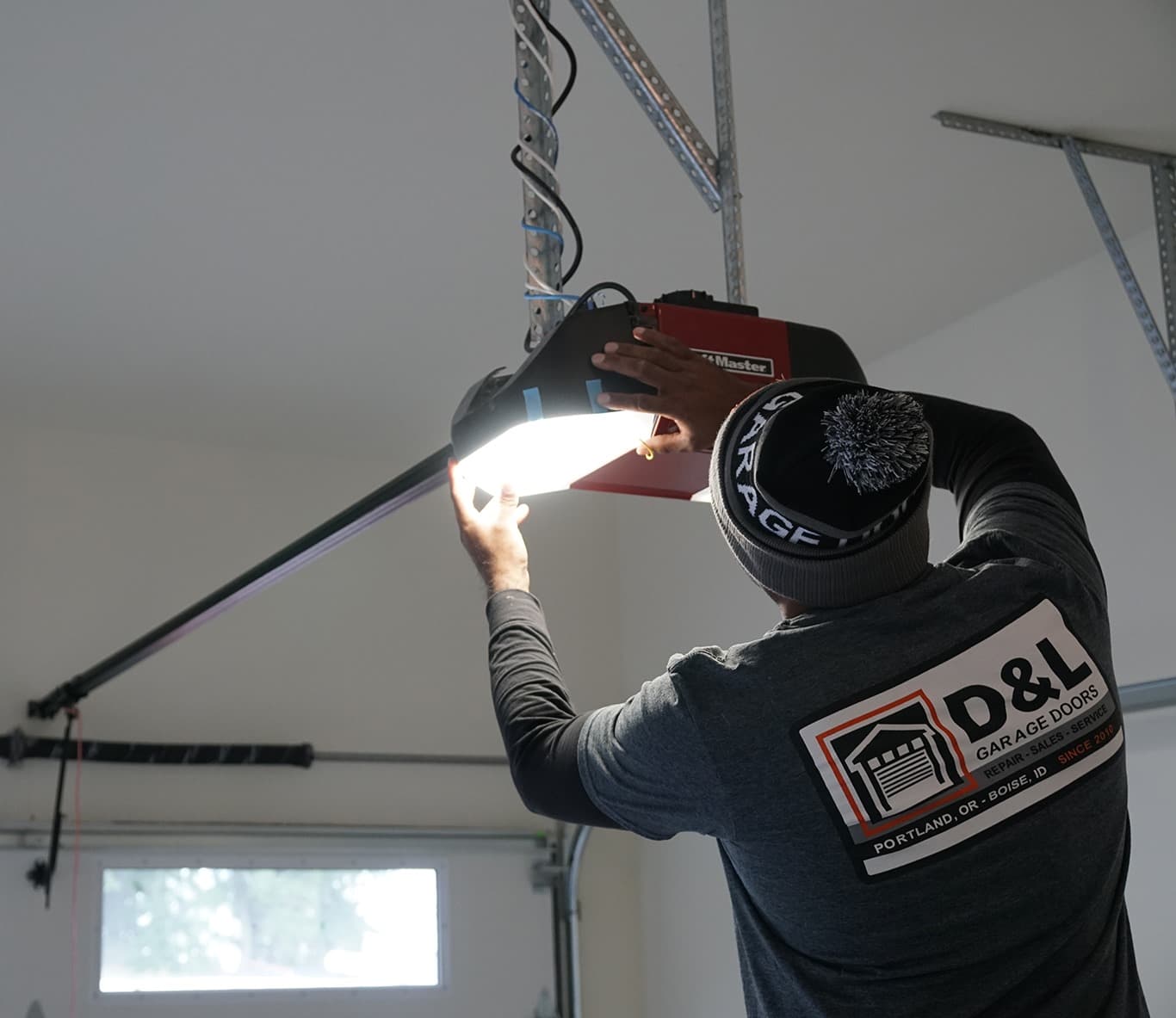
Quick decision support
Read the direct answer first, compare the symptoms or planning notes, then use the service and local links when you need D&L to review the next step.
- 6 min with answer-first sections
- Regional context for Oregon, Washington readers
- Safety boundaries before repair or installation decisions
- Crawlable links to related D&L services and resources
(503) 704-2654
OR CCB# 194109
This guide is maintained by the D&L Garage Doors team to explain common symptoms, service planning, safety boundaries, and when to request technician support in the Oregon area.
A noisy garage door should be treated as a clue. Grinding, squeaking, scraping, popping, and rattling sounds can point to different parts of the system. The safest approach is to note the sound, when it happens, and whether the door still moves evenly before scheduling service.
This article uses owned Portland legacy topics about noisy garage doors and grinding sounds. It is rewritten as a practical D&L guide with no promise that a single part is always the cause and no instruction to perform high-risk repairs.
Quick answer
Squeaks often start with dry hinges or rollers, grinding can involve the opener or worn moving parts, scraping can point to track or panel contact, and a loud pop can be spring or hardware related. Noise that changes suddenly deserves attention because the door may be working harder than it should.
What to check first
- Stand clear and listen during one normal open-close cycle if the door can move safely.
- Note whether the sound comes from the opener rail, rollers, hinges, spring area, or bottom of the door.
- Watch whether the door shakes, pauses, or drifts sideways while making the sound.
- Check for visible loose hinges, damaged rollers, or track rubbing without placing hands in the track.
- Stop operating the door if the sound is sharp, metallic, or paired with uneven movement.
What different garage door sounds can mean
A squeak is usually not the same as a grind. A squeak can come from friction between moving pieces. A grind may come from worn rollers, opener strain, or parts that are not moving freely. A scrape usually means something is touching that should not be touching. A pop can be routine movement in some cases, but a new loud pop should be treated as a warning.
The exact sound matters less than the change. If a door has sounded the same for years, it may still benefit from maintenance. If the sound appears suddenly, gets louder every day, or shows up with shaking, the door needs closer attention.
Why lubrication is not the whole answer
Lubrication can reduce some friction, but it does not fix a door that is out of balance, a bent track, a failing roller, a loose hinge, or an opener working against a heavy door. Adding more lubricant to the wrong area can also attract dirt and make the door messier without solving the real problem.
A tune-up looks at the system as a whole. The technician can check rollers, hinges, tracks, spring balance, opener travel, safety reversal, cables, and hardware condition. That whole-system view is why noisy-door service can prevent a future stuck-door call.
Portland homes and attached-garage noise
In many Portland homes, the garage is attached to living space or close to bedrooms. A noisy door is not only annoying; it can be a sign that vibration is traveling through the frame. Reducing noise starts with identifying the moving part that causes it and whether the opener is adding stress.
If noise is the main complaint, include when it happens. Morning only, rainy nights, first movement, last foot of travel, opener-only operation, or manual movement all point to different possibilities. That detail is more useful than simply saying the door is loud.
When to stop using the door
Some garage door problems are inconvenient, and some are safety concerns. Stop using the door and request help when any of these signs are present:
- The sound is a new loud pop, snap, scrape, or bang.
- Noise appears with uneven movement, door shaking, or visible track rubbing.
- The opener strains or the door feels heavier than usual.
- A roller, hinge, bracket, cable, or spring looks damaged.
If a door feels unusually heavy, looks crooked, pulls to one side, or makes a new sharp sound, the safest next step is to stop forcing it. A garage door can look simple from the driveway, but springs, cables, rollers, tracks, and opener arms all work together under load. A small symptom can become a larger repair when the door is repeatedly cycled while something is already out of alignment.
What to tell D&L before scheduling
Clear details help dispatch understand the request and help the technician prepare for the visit. Before you call or use the estimator, write down:
- The sound type: squeak, grind, scrape, pop, bang, or rattle.
- Where the sound seems to come from: opener, spring area, track, panel, or bottom seal.
- Whether the door is attached to living space and how often it cycles.
- Whether the sound changes during wet weather or after long periods without use.
Photos can also help when they show the full door, the opener, the inside tracks, and any damaged part from a safe distance. Do not loosen springs, remove bottom fixtures, pull cables by hand, or put tools into the track while the door is under tension.
Related D&L resources
- Portland garage door service page - local contact and service context for Portland-area requests
- garage door repair service details - repair symptoms, safety boundaries, and next-step guidance
- garage door spring replacement guidance - spring and balance issues that should not be handled as DIY repair
- opener repair and installation help - remote, keypad, sensor, motor, and smart opener support
- garage door pricing context - approved planning language and factors that can change a quote
- online garage door estimator - a structured way to organize project details before scheduling
These links keep the next step specific. Use the city page for local contact context, the service pages for issue-specific guidance, the pricing page for approved planning language, and the estimator when you want to organize details before speaking with dispatch.
Bottom line
Noise is not something to ignore when it changes. Track the sound, avoid forcing the door, and use the noise reduction or repair service pages to choose the next step for a Portland-area home.
Serving Portland Metro
Garage door service information for Portland, Beaverton, Hillsboro and nearby communities
Local service information
Local factors to consider
Topics covered
Frequently asked questions
Why is my Portland garage door suddenly grinding?
A grinding sound can come from opener strain, worn rollers, track friction, or other moving parts. Stop if the door shakes or strains, then request inspection.
Can I fix a noisy garage door with lubricant?
Lubrication may help minor friction, but it will not fix balance, track, roller, spring, or opener problems. If noise remains, schedule service.
When is garage door noise a safety concern?
Noise is more serious when it is sudden, sharp, metallic, paired with crooked movement, or connected to loose cables, springs, rollers, or brackets.
Need help with a garage door issue?
Schedule your garage door service request
Regional credential reference • Safety-first service planning
OR CCB# 194109 • Serving Oregon and surrounding areas
Related garage door guides
Continue with source-safe D&L guides that help readers compare issues, plan service, and choose a practical next step.


Need help choosing the right garage door service step?
Use the estimator for planning or contact D&L so dispatch can review location, issue, timing, access, and appointment details before approved work begins.