

1
The operator does not run
Power, batteries, controls, command inputs, wiring, or an internal operator condition may be involved.
Power, drive, controls, and limits
Gate operator service begins after the gate movement is considered. D&L reviews the operator mounting and drive, power, batteries, limits, controls, access devices, and installed safety equipment, then explains whether repair, setup, or replacement is the practical path.
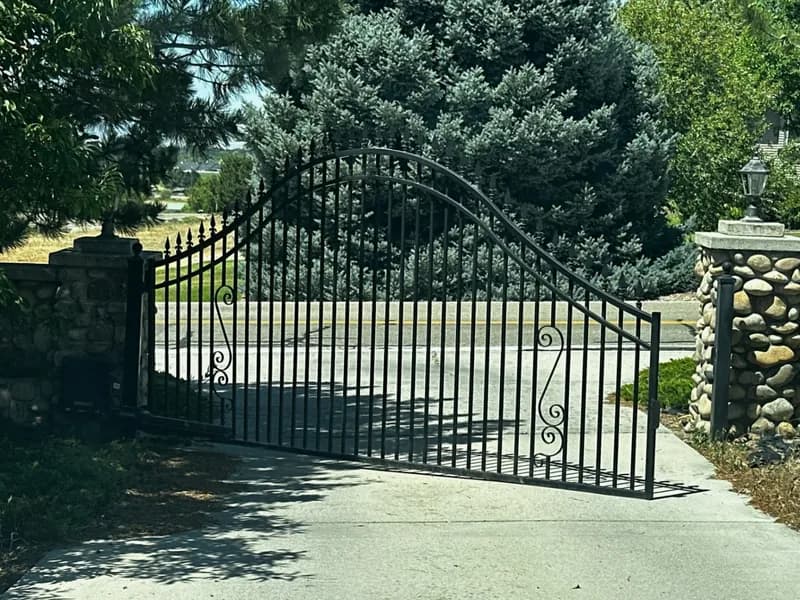
Start with what you observe
Start with the change you can observe. The actual cause and service scope are confirmed after the system is reviewed.
Power, batteries, controls, command inputs, wiring, or an internal operator condition may be involved.
Drive arms, chains, racks, gears, mounting, disconnects, or mechanical gate resistance can interrupt travel.
Limits, controls, mechanical stops, drive condition, or changed gate movement may affect the open and closed positions.
Remotes, receivers, keypads, intercoms, loops, access inputs, batteries, and controls require compatible diagnosis.
What needs to be checked
Relevant equipment, surrounding hardware, site conditions, and access needs can affect one another.
The gate, supports, hinges or track, rollers, guides, and resistance are considered before operator load.
Mounting, arms, chains, racks, gears, release, limits, and visible component condition are reviewed.
Supply, batteries, controls, wiring, remotes, keypads, intercoms, and access inputs are identified.
Installed protective equipment and command behavior are included without bypassing safety functions.
The useful option depends on the diagnosed condition, compatible equipment, site limits, and the outcome you need.
Repair can fit when the operator and remaining gate system are serviceable and the failed component is supportable.
Limits, command devices, batteries, wiring, or configuration may need attention without replacing the full operator.
A replacement must match gate type, load, geometry, use, power, controls, and protective equipment.
The exact scope varies by system and site, but the decision path should remain clear from the first conversation through the final operational check.
Share whether the gate swings or slides, how it is powered, and what changed before the problem appeared.
Movement, supports, track or hinges, operator, power, controls, and safety devices are considered as one system.
D&L reviews the service scope, equipment questions, site limits, and quote before any approved work starts.
The approved work is followed by an operational check of travel, controls, and installed safety devices.
Pricing clarity
Equipment or hardware, condition, access, parts, location, and the approved scope determine the final quote.
Quote note
No fixed price is published for this specialty service. D&L confirms availability and reviews the quote for the identified system and approved scope before work begins.
Choose the right scope
The service path should match the identified system, condition, location, and confirmed scope rather than a generic package.
Identify the power, drive, control, limit, mounting, or compatible component concern.
Review compatible remotes, receivers, keypads, intercoms, inputs, batteries, and settings.
Match the replacement to the actual gate and site instead of choosing from horsepower alone.
Before you schedule
A few safe observations and equipment details help the team confirm whether the request fits the current service area.
Questions customers ask
These answers address common gate operator service decisions before service. The actual scope is confirmed after the system is reviewed.
A drive arm, chain, rack, gear, disconnect, mounting issue, or mechanical gate resistance may be involved. Stop repeated operation and request diagnosis.
Not by itself. Gate resistance, supports, geometry, load, drive hardware, power, use, controls, and safety equipment must be assessed before sizing a replacement.
No all-brand claim is made. D&L confirms the manufacturer, model, condition, parts path, site, region, and requested scope before accepting the work.
Do not disable limits or bypass protective devices. Incorrect travel or safety behavior requires diagnosis of the gate and operator system.
Use a narrower page when it better matches the gate operator service system, failed part, or project.
Start with mechanical repair when the gate drags, sags, binds, or has structural damage.
Read the detailsPlan compatible remotes, keypads, intercoms, receivers, batteries, and access devices.
Read the detailsGather manufacturer, model, serial, voltage, control, and safety-device details.
Read the detailsUse these pages to understand D&L service decisions and move to the most relevant next step.
Gate service availability depends on the site, system, requested work, and region. Use a regional contact or send the system details so D&L can confirm whether the request fits the current service area.
Share the system, site, location, and observed problem. D&L will confirm whether the request fits the current service area and explain the next step.